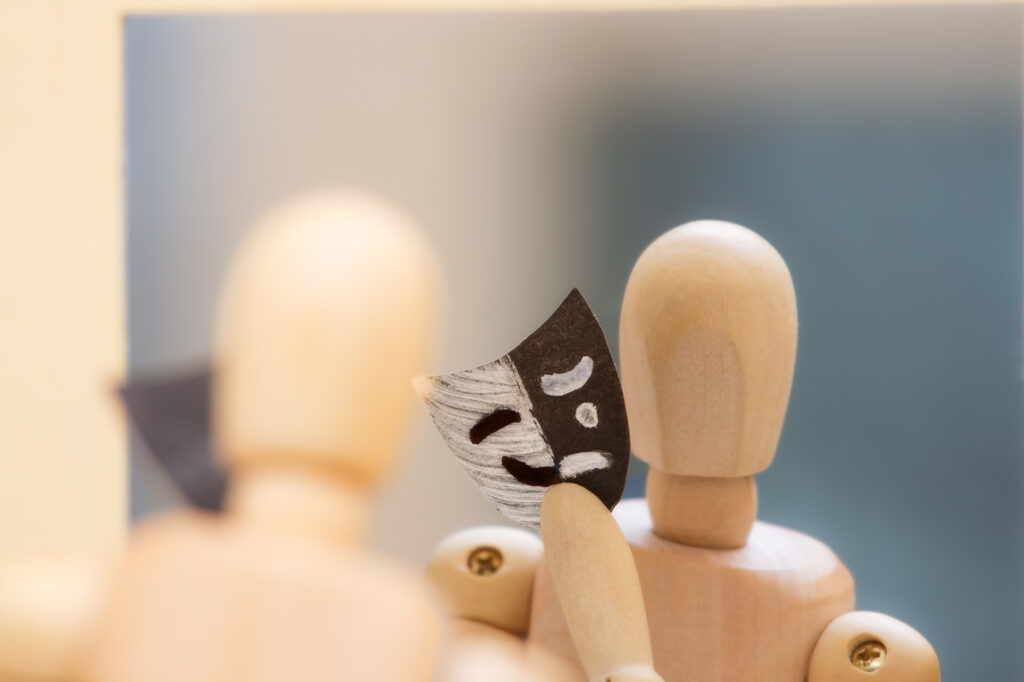
When you’re pursuing a non-traditional path to a career in medicine, it’s common to experience feelings of isolation and self-doubt. Perhaps you’ve switched careers, taking a bold leap from a different profession; maybe you’ve taken a significant break to explore other interests or personal challenges; or you didn’t adhere to the typical trajectory of completing a four-year undergraduate degree before heading straight to medical school. Regardless of your journey, these unique experiences can sometimes lead to the emergence of imposter syndrome. This phenomenon manifests as a persistent inner voice whispering doubts—suggesting that you’re somehow “not good enough,” not as capable as your peers, or that you’re lagging behind in this competitive field. It’s important to acknowledge these feelings while also recognizing that diverse pathways to medicine enrich the profession and contribute to a broader understanding of healthcare. Embracing your unique experiences can empower you, helping to build resilience and confidence on your journey.
But let me tell you this: you are exactly where you’re supposed to be.
As a non-traditional student, I’ve faced an internal struggle that many may not fully understand—the constant comparison of my journey to those of my younger peers. I’ve found myself sitting in classes, surrounded by students who seem to be on a faster track, and I can’t help but question my own abilities and commitment. Doubts creep in as I wonder whether I still possess the drive and capability to chase this dream of becoming a physician.
Scrolling through social media, I’ve seen countless posts celebrating med school acceptances, each announcement serving as a reminder of my own uncertainties. I often ask myself, Did I wait too long to pursue this path? Will admission committees truly consider someone like me, who took a longer and less conventional route? These thoughts swirl in my mind, creating a mix of anxiety and determination as I strive to carve out my own place in this challenging field. Despite these fears, I remind myself that my unique experiences and dedication can offer valuable perspectives that younger students may not yet possess.
These thoughts are real—and they’re heavy. But they aren’t the truth.
Imposter syndrome thrives in silence. That’s why it’s so important to talk about it. Here’s what’s helped me along the way:
- Owning my journey: Every step I’ve taken in my journey has contributed to the development of essential skills that I believe will make me a more effective and compassionate physician. Each experience, no matter how disparate it may seem, has equipped me with a diverse set of perspectives and problem-solving abilities that are vital in the medical field. Embracing my unique path has taught me that it’s not a weakness but rather a significant strength. This individuality enriches my understanding of patients’ needs and enhances my ability to provide comprehensive care.
- Surrounding myself with support: Engaging in conversations with fellow non-traditional students and mentors has been a profound reminder that I am not navigating this journey alone. There are countless individuals, each with their own unique experiences and backgrounds, who are traversing diverse paths toward a shared objective. Whether it’s returning to school after years away, balancing family responsibilities with academic pursuits, or seeking to shift careers, we all share the same determination and aspirations. This sense of community and connection has reinforced my belief that, although our journeys may differ, we are united in our pursuit of knowledge and growth.
- Shifting my mindset: Rather than fixating on the notion that “I’m behind,” I began to shift my mindset to recognize that “I’m bringing something different to the table.” This transformation in thinking has been pivotal for me, as I’ve come to understand that the field of medicine thrives on diversity—both in experience and perspective. Each individual contributes a unique narrative shaped by their background, culture, and personal experiences. By embracing my own distinct journey, I not only enhance my understanding of health and wellness but also enrich the collaborative effort within the medical community. It’s imperative that we value and incorporate varied viewpoints to foster innovative solutions and improve patient care. Embracing our differences ultimately leads to a more holistic approach to medicine, benefiting both practitioners and the individuals we serve.
- Tracking my growth: When self-doubt began to creep in, I made a conscious effort to reflect on the journey I had undertaken. I found it helpful to recall specific milestones that marked my progress—whether it was successfully passing a challenging class, gaining valuable insights from a new clinical experience, or even just the courage to show up and face obstacles head-on when the pressure mounted. Each of these moments, no matter how small they seemed at the time, contributed to my growth and resilience. Recognizing this accumulation of achievements reminded me that progress is not just about major accomplishments; it’s also about the determination and perseverance that lead us through difficult times.
If you’re a non-traditional premed struggling with imposter syndrome, I want you to know that you’re not alone—and you’re not an imposter. You’re someone brave enough to chase a dream that doesn’t have a one-size-fits-all path.Take a breath, keep going, and remember: Medicine Awaits—and it’s waiting for you, exactly as you are.